
The way a space is lit has the power to uplift, energize, or calm those within it. Lighting is not just a design element; it is an invisible force, shaping everything from our mood to how well we sleep at night. A thoughtful balance between natural and artificial lighting can mean the difference between a home that invigorates and one that drains.
The Role of Lighting in Shaping Living Environments
Natural sunlight streaming through a window on a crisp morning has a transformative effect, yet so does the soft glow of a well-placed lamp at dusk. Lighting shapes perception, accentuates architecture, and subtly orchestrates the rhythm of daily life.
Psychological and Physical Impacts of Light
Exposure to appropriate light levels positively influences circadian rhythms, affecting sleep quality, mental focus, and even appetite. Insufficient light, particularly during winter months, can contribute to seasonal affective disorder (SAD), while harsh artificial light at night may disrupt sleep cycles.
How Lighting Influences Mood, Productivity, and Health
Studies consistently show that people working or living in well-lit environments report higher productivity and a greater sense of well-being. Warm, dim lighting encourages relaxation in living rooms, whereas brighter, cooler lights can boost alertness and energy in work or kitchen spaces.
Natural Lighting: Benefits and Limitations
Harnessing daylight has clear perks, but it also brings some challenges to the table.
Advantages of Daylight in Interior Spaces
Natural light is dynamic, shifting in quality and intensity throughout the day. It reveals true colors, reduces electricity use, supports vitamin D synthesis, and tends to make spaces feel larger and more inviting.
Challenges of Relying Solely on Natural Light
Relying exclusively on sunlight can lead to inconsistencies, such as glare, overheating in summer, or dim interiors on cloudy days. Privacy concerns may also arise, especially in urban environments.
Seasonal and Architectural Constraints
Long winter nights, northern exposures, and deep floor plans often mean that some rooms receive little to no daylight for extended periods. Architectural solutions like skylights and open floor plans can help, but they are not always feasible.
Artificial Lighting: Flexibility and Control
Electric lighting steps in where sunlight falls short, offering unparalleled control.
Types of Artificial Light Sources and Their Characteristics
From classic incandescent bulbs to LED panels and smart lighting systems, each source brings a unique mix of color temperature, intensity, and energy efficiency. LEDs, for instance, produce less heat and use a fraction of the power compared to older technologies.
Energy Efficiency and Technological Innovations
Modern lighting solutions are increasingly energy-wise. Smart bulbs now adjust brightness and color based on the time of day or user preference, mimicking the natural light cycle to support healthy habits.
Potential Drawbacks of Overusing Artificial Light
Excessive artificial lighting, especially at night, is linked to disrupted sleep patterns and eye strain. It can also contribute to higher energy bills and light pollution.
Comparing Natural and Artificial Lighting Effects
How do these two sources stack up in real-world living spaces? A closer look highlights key differences.
| Lighting Aspect | Natural Light | Artificial Light |
|————————–|———————|———————|
| Color Temperature | Dynamic, changing | Adjustable, fixed |
| Energy Usage | Free | Variable (costly) |
| Impact on Circadian Rhythm| Supportive | Can be disruptive |
| Environmental Impact | Minimal | Depends on source |
Color Temperature and Visual Comfort
Natural daylight ranges from cool blue in the morning to warmer hues by evening, supporting comfort and alertness. Artificial lighting, especially with tunable LEDs, can recreate this effect, but lacks the full spectrum of sunlight.
Impact on Circadian Rhythms and Well-being
Daylight exposure in the morning is ideal for setting our biological clocks, while too much artificial light at night can suppress melatonin production, making restful sleep elusive.
Cost Implications and Environmental Considerations
While sunlight is free, maximizing its use sometimes requires costly renovations. LEDs and smart systems can reduce electricity bills and carbon footprints but still represent an initial investment.
Strategies for Harmonizing Natural and Artificial Lighting
Achieving balance means leveraging the strengths of both.
Designing for Optimal Daylight Penetration
Open layouts, large windows, and reflective surfaces help distribute daylight deeper into interiors. Light shelves and skylights can further boost natural light availability.
Smart Lighting Systems and Adaptive Controls
Adaptive lighting systems automatically adjust intensity and hue based on the environment, seamlessly blending artificial and natural sources. Expert solutions, like Avant-Scene lighting, integrate design and technology for customized results in residential projects.
Balancing Light Intensity and Distribution
Layering different light sources, ambient, task, and accent, ensures functional light without overwhelming glare, creating comfortable and flexible spaces.
Practical Applications in Different Living Spaces
Every room benefits from a tailored lighting approach.
Living Rooms and Common Areas
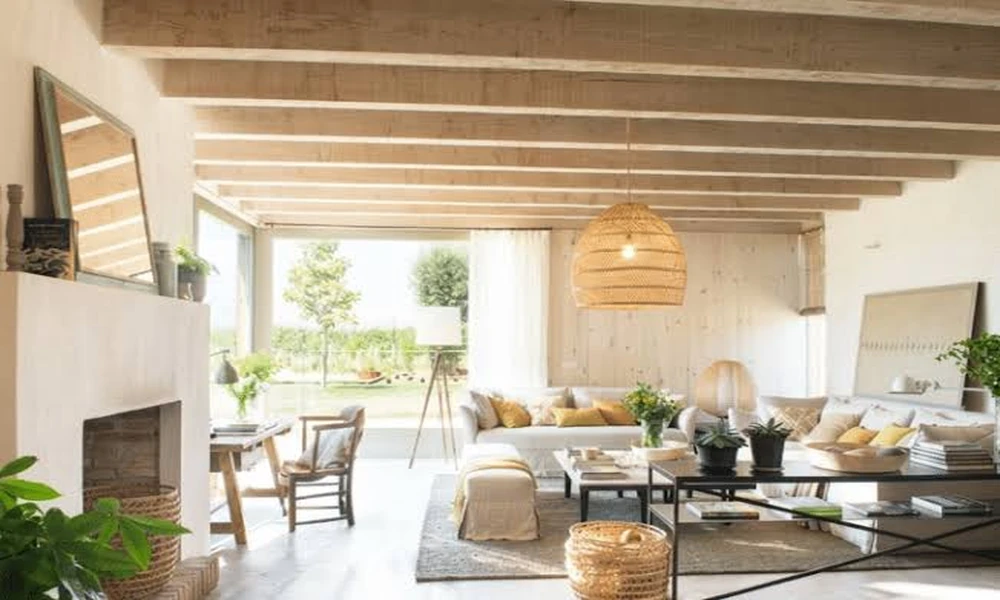
Spaces for gathering thrive with abundant daylight, supplemented by dimmable fixtures for evening ambiance.
Bedrooms and Relaxation Zones
Blackout shades paired with warm, low-intensity bedside lamps foster rest, while morning sunlight cues natural wakefulness.
Kitchens and Functional Spaces
Task lighting is key, with bright, focused sources over counters and natural light boosting visibility and mood during daytime meal prep.
Case Studies: Successful Integration of Mixed Lighting
Designers increasingly showcase projects where daylight and electric light work hand in hand.
Architectural Examples Emphasizing Natural Light
Homes with floor-to-ceiling windows and thoughtful orientation capture sunlight, minimizing daytime energy use.
Interior Designs Leveraging Artificial Light for Ambiance
Creative use of color-tunable LEDs and sculptural fixtures adds dimension and character, transforming spaces after dark.
Lessons Learned from Poor Lighting Balance
Spaces with insufficient or overly harsh lighting often feel uncomfortable, highlighting the need for expertise and thoughtful planning.
Future Trends in Lighting for Living Environments
Lighting is evolving, moving beyond simple illumination.
Advances in Human-Centric Lighting
New systems prioritize well-being, automatically adjusting to support natural rhythms and minimize health impacts.
Integration with Smart Home Technologies
Voice controls, automation, and energy monitoring are making lighting more responsive and efficient than ever.
Sustainable and Biophilic Design Approaches
Designers increasingly embrace strategies that maximize natural light, use eco-friendly fixtures, and connect interiors to the rhythms of nature, a future where every space can be both beautiful and healthful.