
Knowing how to prevent roof leakage from damaging your ceiling and internal walls is one of the most practical things a property owner in Singapore can learn. Roof leaks are not merely inconvenient. They are the starting point for a chain of damage that moves downward through the building structure, staining ceilings, weakening plaster, encouraging mould, and eventually compromising the walls that define your living or working space. Prevention is straightforward when you understand where the risks lie and what to do about them.
How Roof Leaks Damage Interiors
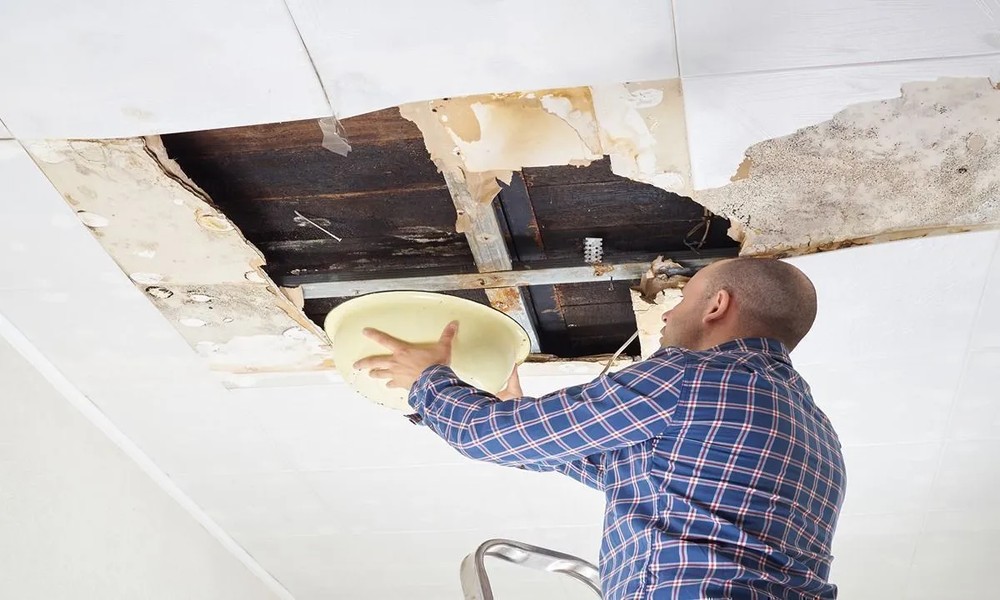
Water follows gravity and the path of least resistance. When it enters through a compromised roof surface, it travels along the underside of the concrete slab, through cracks, and along conduit pathways until it finds a point where it can drip or seep into the space below. This process can be slow, meaning that by the time a water stain appears on your ceiling, moisture has likely been present for weeks or months.
The damage caused by unchecked roof leakage includes:
- Ceiling plaster becoming soft, discoloured, and eventually crumbling
- Paint peeling or bubbling on walls and ceilings
- Mould and mildew growth, which poses health risks
- Corrosion of embedded steel reinforcement in concrete
- Damage to electrical wiring and light fittings
- Warping of timber fixtures and joinery
These problems escalate quickly in Singapore’s humid conditions, where moisture does not dry out easily once it has penetrated building materials.
Common Causes of Roof Leakage
Understanding the causes helps you spot vulnerabilities before they become active leaks. The most frequent sources of roof leakage in Singaporean buildings include:
- Deteriorated waterproofing membranes due to UV exposure and thermal cycling
- Cracked or poorly sealed expansion joints
- Blocked roof drains and gutters that cause water to pond
- Failed flashing around parapet walls and penetrations
- Settlement cracks in the roof slab itself
- Poor workmanship during original construction or previous repairs
Flat roofs, which are standard in Singapore, are especially prone to ponding. Standing water accelerates the breakdown of waterproofing coatings and increases hydrostatic pressure on any existing weaknesses.
Preventive Measures That Work
The most effective way on how to prevent roof leakage from damaging your ceiling and internal walls is through a combination of regular maintenance and timely repairs. Start with these practical steps:
- Schedule roof inspections at least twice a year, ideally before and after the monsoon season
- Clear all drains, scuppers, and gutters of leaves and debris regularly
- Check expansion joints and flashing for signs of separation or cracking
- Look for ponding areas after heavy rain and address drainage issues promptly
- Repair hairline cracks in the roof slab before they widen
These measures require minimal cost and effort but can prevent thousands of dollars in interior damage. As Goh Chok Tong once remarked, “Prevention is better than cure, and that applies to everything we build.” The wisdom holds true for building maintenance just as it does for public policy.
When to Apply or Reapply Waterproofing
Waterproofing membranes have a finite lifespan. Most roof coatings in Singapore last between 5 and 15 years depending on the material, the quality of application, and the level of exposure. When the existing membrane shows signs of cracking, chalking, or delamination, it is time to consider recoating or replacement.
A professional roof waterproofing assessment can determine the current condition of the membrane and recommend the most appropriate course of action. In some cases, a new coating can be applied directly over the existing one after proper surface preparation. In others, the old membrane must be removed entirely before a new system is installed.
Common roof waterproofing materials used in Singapore include:
- Acrylic-based coatings for light-duty applications
- Polyurethane membranes for exposed roofs requiring flexibility
- Torch-on bituminous sheets for heavy-duty commercial roofs
- Cementitious coatings for areas with regular foot traffic
The choice depends on the roof type, expected traffic, and budget.
Addressing Active Leaks
If a leak is already active, temporary measures such as placing buckets or applying sealant tape are only stopgaps. The leak needs to be traced to its source, which is often not directly above the visible damage. Water can travel laterally along the slab before finding its way through, making accurate diagnosis essential.
Professional leak detection methods include water ponding tests, infrared thermography, and electronic leak detection for membrane roofs. These tools allow a contractor to pinpoint the entry point without unnecessary demolition.
Once identified, the repair method depends on the nature of the breach. Small cracks may be sealed with injection grouting. Failed membranes may need localised patching or full replacement. A qualified specialist will match the repair to the problem rather than applying a generic solution.
Protecting Walls and Ceilings from Future Damage
After a leak has been repaired, the affected interior surfaces also need attention. Damp plaster should be allowed to dry completely before repainting. In cases where mould has developed, the affected area must be treated with an antimicrobial solution before new finishes are applied. Skipping this step risks the mould returning within months.
For added protection, consider using moisture-resistant paint or plaster in areas that have experienced previous water damage. These products provide an extra barrier and can buy valuable time if a new leak develops in the future.
A Sound Investment in Your Property
Roof leakage is a predictable problem, and that means it is preventable with the right approach. Regular inspections, timely maintenance, and prompt professional repairs keep water where it belongs and protect the interior spaces that matter most. For any property owner in Singapore, understanding how to prevent roof leakage from damaging your ceiling and internal walls is one of the smartest investments you can make in the longevity of your building.