
Distinguishing Routine Repairs From Emergency Home Maintenance
Understanding the difference between a minor home repair and a true emergency is crucial for any homeowner. While a leaky faucet might be annoying, it rarely poses an immediate threat to life, safety, or property. A burst pipe, on the other hand, demands urgent attention. We define a home maintenance emergency as any issue that:
- Threatens life safety: This includes gas leaks, electrical hazards, or structural collapses.
- Compromises structural integrity: A severe roof leak or significant foundation crack can lead to widespread damage if not addressed quickly.
- Involves active flooding or uncontrolled water: Burst pipes, overflowing toilets that can’t be stopped, or severe roof leaks can cause extensive water damage, fostering mold growth and compromising structural elements.
- Poses an immediate health risk: Sewage backups or significant mold growth can quickly become health hazards.
- Prevents essential home functions: A complete HVAC failure during extreme weather or a broken garage door that leaves your home exposed are emergencies.
Ignoring these critical issues, even seemingly small warning signs like a persistent musty smell or a small wall hole, can escalate into much larger, more expensive problems. Our approach emphasizes distinguishing these urgent situations from routine maintenance, which, while important for long-term home health, doesn’t require immediate, panic-driven action.
Consider the contrast: a minor faucet drip, though wasteful, can often wait a few days for a repair. A major pipe burst, however, requires immediate action to shut off the main water supply and call for professional help. The goal is to react appropriately, preventing unnecessary panic for minor issues while mobilizing quickly for genuine threats.
Routine Maintenance Emergency Repair Dripping faucet Burst pipe, active flooding Loose doorknob Compromised entry point (e.g., broken garage door) Clogged toilet (easily fixed with a plunger) Sewage backup, overflowing toilet (unresponsive) Minor roof shingle repair Active roof leak, significant storm damage HVAC filter replacement Complete HVAC failure during extreme temperatures Small crack in window pane Large, shattered window, security breach Routine pest control (e.g., seasonal ants) Termite infestation, rodent intrusion causing damage Gutter cleaning Water pooling near foundation, structural leaks Frayed electrical cord (replaced during inspection) Sparking outlet, burning smell from electrical panel Faint musty smell (investigated during cleaning) Visible mold growth, strong gas odor Understanding this distinction empowers homeowners to respond effectively, prioritizing safety and property preservation when it truly matters.
Common Critical Failures and Immediate Safety Protocols
When a home emergency strikes, the initial moments can be disorienting. However, having a clear understanding of immediate safety protocols is paramount. Our first and foremost advice is always to prioritize the safety of everyone in the household. This might mean evacuating the premises, shutting off utilities, or calling emergency services. Having a pre-planned emergency contact list, including local plumbers, electricians, HVAC technicians, and even your utility companies, can save precious time. We also recommend knowing the locations of your main water shut-off valve, electrical circuit breakers, and gas shut-off valve. Knowing how to operate these can mitigate significant damage before professional help arrives.
After ensuring safety, documenting the damage with photos and videos is crucial for future insurance claims. We also advise against attempting complex repairs yourself, especially when dealing with gas, significant electrical issues, or structural damage. Always vet professionals thoroughly, even in an emergency, by checking licenses, insurance, and reviews if time permits.
Managing Plumbing Failures and Water Damage
Plumbing emergencies can quickly turn a minor inconvenience into a catastrophic event, leading to extensive water damage, structural issues, and mold growth. Burst pipes, whether due to freezing temperatures or age, require immediate attention. The sound of running water where it shouldn’t be, or sudden drops in water pressure, are critical warning signs. Your first step should be to locate and shut off your home’s main water supply valve to stop the flow and minimize damage.
Sump pump failures, especially during heavy rains or thaws, can lead to basement flooding. Regular testing and maintenance of your sump pump are key to preventing this. Sewage backups are not only destructive but also pose serious health risks due to contaminants. In such cases, avoid contact with the water and call professionals immediately. For comprehensive guidance on addressing various water-related issues, exploring resources on emergency home plumbing repairs can provide valuable insights and connect you with specialized assistance. Once the water flow is stopped, focus on water extraction and drying out affected areas quickly to prevent mold.
Addressing Garage Door Failures and Security Risks
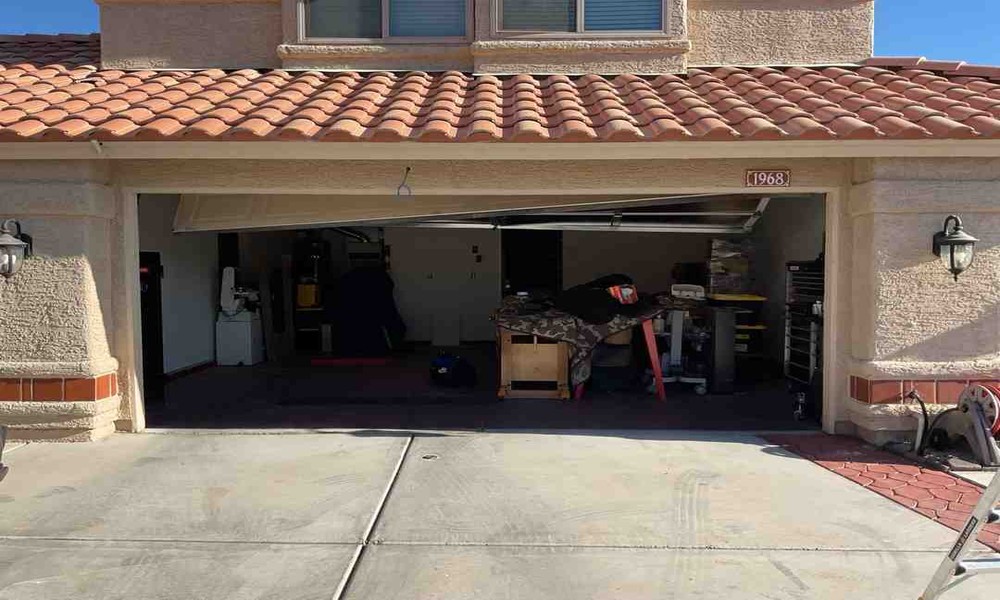
A malfunctioning garage door is more than just an inconvenience; it can be a significant security vulnerability and a safety hazard. Common emergencies include broken torsion springs, which can cause the door to slam shut or become inoperable, posing a serious risk. Doors that come off their tracks are equally dangerous, as they can collapse. Security is also compromised if your garage door cannot close properly, leaving your home exposed.
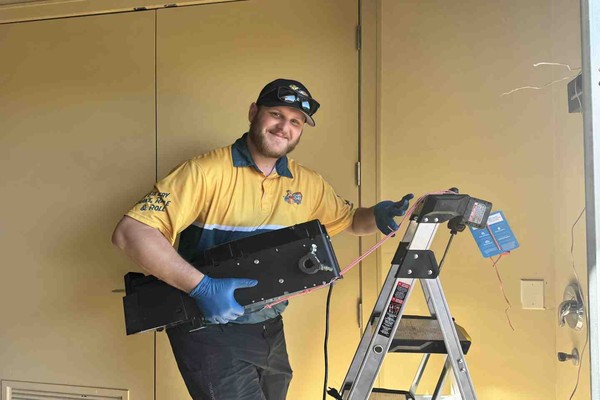
Sensor malfunctions can prevent your door from closing, while opener issues can leave you stranded. Knowing how to operate your garage door’s manual release can provide temporary relief, but professional repair is almost always necessary for these complex mechanical systems. For homeowners in specific regions, understanding local services is key. For example, those in the Nevada area might find tailored assistance and prompt service by looking into Las Vegas emergency garage door maintenance, ensuring their door is quickly and safely restored to full function. We emphasize that garage door repairs, especially involving springs, should only be handled by trained professionals due to the high tension and potential for severe injury.
Essential Steps for Electrical and HVAC Emergency Home Maintenance
Electrical emergencies are among the most dangerous. Sparking outlets, burning smells from electrical panels, or frequently tripping circuit breakers are not to be ignored. These can indicate overloaded circuits, faulty wiring, or even an impending electrical fire. Your immediate action should be to shut off power to the affected area at the circuit breaker. If you smell burning or see smoke, evacuate immediately and call emergency services. Never attempt to fix significant electrical issues yourself.
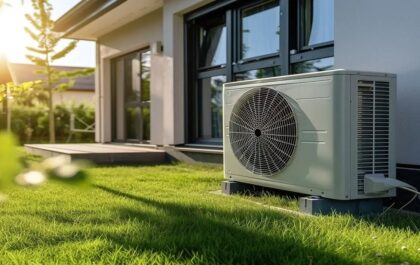
HVAC system breakdowns, while not always an immediate physical threat, can become critical during extreme weather. A furnace failure in winter or an air conditioner malfunction during a summer heatwave can pose health risks, especially for vulnerable household members. Check simple fixes first, like ensuring the thermostat is set correctly, checking the circuit breaker, or replacing a clogged filter. If these don’t resolve the issue, professional help is needed. Carbon monoxide risks are also associated with faulty furnaces, making regular maintenance and working CO detectors essential. Any unusual odors or sounds from your HVAC system warrant immediate professional inspection.
Financial Preparedness and Government Assistance Programs
Facing a home emergency is stressful enough without the added burden of unexpected costs. Financial preparedness is a cornerstone of responsible homeownership. We strongly advocate for establishing a dedicated emergency fund specifically for home repairs. While the exact amount can vary based on your home’s age, condition, and location, a common guideline suggests homeowners budget 1% to 4% of their home’s value annually for maintenance and repairs. Setting aside a portion of this, perhaps 10% to 20%, specifically for emergencies, is a prudent strategy.
We recommend storing these funds in a high-yield savings account (HYSA). This keeps the money liquid and accessible while earning a modest return, unlike funds tied up in investments that might fluctuate in value. This dedicated fund ensures you can cover immediate repair costs without dipping into other savings or incurring high-interest debt.
Beyond personal savings, various government assistance programs exist to help homeowners, especially those with limited incomes or specific needs, manage emergency repairs. These programs are designed to prevent homes from becoming unsafe or uninhabitable.
- HUD Title 1 Property Improvement Loan Program: This program offers loans for remodeling, repairs, or improvements, with terms varying based on the property type. It’s not “free money” but a legitimate loan option.
- 203(k) Rehabilitation Mortgage Insurance Program: For those looking to finance a home and significant repairs simultaneously, this program allows up to $35,000 for improvements to be rolled into the mortgage.
- Home Equity Conversion Mortgages (HECM) for Seniors: Homeowners aged 62 and over can access their home equity through a reverse mortgage to pay for maintenance, repairs, or other expenses. This is a government-insured option.
- Residential Emergency Services to Offer (Home) Repairs to the Elderly (RESTORE) program: In some states, like New York, this program provides financial resources to senior citizen homeowners (age 60 and over, income below 100% of the area median income) for emergency repairs or code violations that threaten life, health, safety, or livability, enabling them to age in place.
- Basic Systems Repair Program (BSRP): Local initiatives, such as Philadelphia’s BSRP, offer free government-funded repairs for emergencies related to basic home systems (electrical, plumbing, heating, structural, roofing) for qualifying low-income, owner-occupied homeowners.
- Project HELP: In places like Queens, NY, programs like Project HELP offer forgivable loans for emergency repairs that pose health or safety risks, including accessibility accommodations.
It’s important to research programs available in your specific state or locality, as eligibility criteria and offerings vary. We advise caution against any claims of “free money” from the federal government for home repairs, as these are often scams. Always verify program legitimacy through official government websites like USA.gov or HUD.
Preventive Strategies and Insurance Documentation
While we can’t prevent every emergency, proactive planning and consistent maintenance significantly reduce the likelihood and impact of critical failures. Furthermore, knowing how to properly document and file an insurance claim after an emergency repair is vital for recouping costs and ensuring your home’s long-term health.
When an emergency occurs, meticulous documentation is your best friend. We recommend taking extensive photos and videos of the damage before any repairs begin. Keep a detailed log of all communications with contractors, insurance adjusters, and anyone involved in the repair process. Retain all receipts, invoices, and contracts. This comprehensive record is essential for a smooth insurance claim process. Review your homeowner’s insurance policy annually to understand what is covered, your deductibles, and any specific requirements for emergency repairs. Always use licensed and insured contractors for repairs, as insurance companies often require this, and it protects you from liability.
Reducing Risks Through Routine Emergency Home Maintenance Planning
Consistent preventive maintenance is not just about extending the life of your home systems; it’s a powerful strategy for reducing the incidence of emergency repair calls by a significant margin-often 30% to 50%. We encourage homeowners to develop a seasonal maintenance checklist.
- Gutter Cleaning: Regularly clear gutters and downspouts to prevent water from backing up and damaging your roof, fascia, and foundation.
- Pipe Insulation: Insulate exposed pipes in unheated areas (attics, basements, crawl spaces) to prevent freezing and bursting during cold weather.
- HVAC Filter Replacement: Change HVAC filters monthly or as recommended to ensure efficient operation and prevent breakdowns. Schedule annual professional inspections for your furnace and AC to catch issues early, including potential carbon monoxide risks.
- Roof Inspections: Periodically inspect your roof for damaged or missing shingles, especially after severe weather. Address small leaks promptly to prevent structural damage and mold.
- Vegetation Management: Trim trees and shrubs away from your home, especially power lines, to prevent storm damage.
By integrating these routine tasks into your homeownership schedule, you can often identify and address minor issues before they escalate into costly emergencies.
Maintaining Exterior Systems and Pool Safety
The exterior of your home is its first line of defense against the elements, and its proper maintenance is crucial for preventing emergencies. This includes everything from the foundation to the roof, and for those with them, pools.
Structural leaks, whether from the roof, siding, or foundation, can lead to significant water intrusion and damage. Regular inspections of your home’s exterior, especially after storms, can help identify and seal potential entry points. Maintaining proper drainage around your home is also key to preventing water from pooling and compromising your foundation.
Perimeter security, including well-maintained fences and functional lighting, deters intruders and contributes to overall home safety. Storm preparation is vital in regions prone to severe weather; this includes securing outdoor furniture, checking for loose roof shingles, and ensuring your generator is functional if you have one.
For homeowners with pools, specialized attention is required. Issues like pump failures, significant leaks, or electrical problems with pool equipment can quickly become emergencies, leading to costly damage or safety hazards. Understanding the nuances of these systems and knowing when to call a specialist is important. For more in-depth information and professional assistance, resources on pool emergency maintenance can be invaluable, offering guidance on everything from routine care to urgent repairs. Proactive maintenance of your pool’s filtration, heating, and chemical balance not only ensures a safe swimming environment but also prevents unexpected breakdowns.
Frequently Asked Questions about Emergency Home Maintenance
We understand that homeowners often have specific questions when it comes to preparing for and dealing with unexpected home issues. Here, we address some of the most common concerns we encounter.
What qualifies as a true home maintenance emergency?
A true home maintenance emergency is any situation that poses an immediate threat to the safety of occupants, the structural integrity of the home, or could lead to significant property damage if not addressed promptly. This includes, but is not limited to, gas leaks, active electrical hazards (like sparking outlets or burning smells), burst pipes causing active flooding, a complete HVAC system failure during extreme weather conditions, significant roof leaks allowing water to enter the home, and structural damage that compromises the stability of the building. Routine issues like a dripping faucet or a minor crack in a window, while needing attention, typically do not fall into the emergency category unless they quickly escalate. Our priority is always to distinguish between urgent threats and manageable repairs.
How much should I set aside for an emergency repair fund?
The amount homeowners should set aside for an emergency repair fund varies based on several factors, including the age and condition of your home, its size, and your local cost of repairs. As a general guideline, we recommend budgeting between 1% and 4% of your home’s value annually for maintenance and repairs. From this annual budget, dedicating a portion specifically to unexpected emergencies is a wise financial strategy. Many homeowners aim to have a liquid emergency fund of at least $5,000 to $15,000 readily available in a high-yield savings account. This fund should be separate from your general savings and replenished as soon as possible after it’s used. This approach helps cover common emergencies like water heater replacements or significant HVAC repairs without causing financial strain.
What documentation is required for an insurance claim after a repair?
To ensure a smooth and successful insurance claim after an emergency repair, thorough documentation is essential. We advise gathering the following:
- Date and Time of Incident: A precise record of when the emergency occurred.
- Photos and Videos: Comprehensive visual evidence of the damage before any repairs begin. Capture different angles and close-ups.
- Detailed Repair Logs: Keep a written account of the emergency, including what happened, what immediate actions you took (e.g., shutting off water), and any temporary fixes.
- Communication Records: Document all interactions with your insurance company (claim number, agent names, dates, summary of conversations) and any contractors.
- Invoices and Receipts: Obtain itemized invoices and receipts for all emergency services, materials, and temporary lodging if applicable. Ensure they clearly detail the work performed and costs.
- Contractor Information: Provide the name, license number, and insurance details of all professionals who performed work.
- Police or Fire Reports: If applicable (e.g., for fire, theft, or severe weather damage), include official reports.
Having these documents organized and readily accessible will significantly aid your insurance adjuster in processing your claim efficiently and help ensure you receive appropriate coverage.
Conclusion
Homeownership is a journey filled with rewards, but it also demands preparedness for the unexpected. When it comes to emergency home maintenance, our message is clear: safety first. Prioritizing the well-being of your household is paramount, followed by swift, informed action to protect your property.
We’ve explored how distinguishing true emergencies from routine repairs can prevent panic and guide your response. From managing plumbing failures and addressing critical garage door issues to handling electrical and HVAC emergencies, understanding immediate safety protocols is your first line of defense.
Financial preparedness, through a dedicated emergency fund and awareness of government assistance programs, provides a vital safety net. Equally important are preventive strategies-routine maintenance and diligent inspections-which can significantly reduce the likelihood of these stressful events. And when an emergency does occur, meticulous documentation is key to navigating insurance claims successfully.
By embracing proactive planning, knowing when to intervene, and understanding when to call in professional expertise, you empower yourself to face any home emergency with confidence. This approach not only safeguards your home and family but also contributes to your long-term peace of mind and the enduring health of your most valuable asset.