Before tossing everything in the dumpster (read more here), consider your demolition waste as a treasure trove of future projects. With some forethought, you can redirect salvaged items into accessible and attractive projects for your home and garden. Sort carefully, use gloves and eye protection, and look for hazardous materials, such as lead paint or asbestos, before reusing the material.
Repurposing Old Wood
Wood removed from framing, floors, and trims has history embedded in it. The grain tends to be tighter, the patina tends to be deeper, and the boards are often more stable than new material. Use a magnet and pry bar to remove any nails and then plane or sand lightly so that its seeded characteristics are intact. More reusing of wood fits into the green demolition category and reduces costs.
- Make joists into floating shelves or mantel beams that display saw-marks.
- Mill floorboards into shiplap for wall paneling or a headboard with real depth.
- Build a potting bench or outdoor table from studs and rim joists.
- After a thorough kiln dry, cut thick-beamed wood into cutting boards or treads for stairs.
Using Bricks in Landscaping
Brick, when salvaged, is almost designed for outdoor use. It is dense, durable, and has a pleasing aged patina. To reuse your bricks, knock off the old mortar with a mason chisel and then soak unwieldy pieces so that they too can be cleaned of the old mortar. When laying the brick, be sure to place it on compacted gravel and sand, and not bare dirt to discourage sinking or weed growth.
You can use the extra bricks to edge garden beds as a soldier course, create a small patio, or even build a fire ring to be the centerpiece gathering place in your backyard. Broken bricks are not rubbish, use them to fill in drainage under pathways or planters. If you are stuck between piles of keep, modify, and send to the landfill, consider renting a small dumpster to keep your workspace organized until you have the opportunity to stage the best pieces for your next project.
Upcycling Metal Pieces
Pieces of metal from vents, railings, hardware, and light fixtures are truly diamonds in the rough! Metal (https://www.sciencedirect.com/topics/nursing-and-health-professions/metal) is strong, can withstand natural elements, and with a wire brush and some rust inhibiting primer, should last for years. You can cut and combine pieces together to make a completely new creation if you cannot repurpose the metal piece as is; anything you won’t keep can be sent to scrap metal recycling for reimbursement (whenever possible) and limit use of the landfill.
- scrap re-bar to weld or bolt together to make a tomato and bean trellis.
- a solid cast iron register cover can be transformed into a wall mounted mail holder.
- steel conduit and angle brackets can be cut and combined to make trendy open shelving.
- copper pipe leftovers can be cut down and utilized to make towel racks or plant stakes.
Salvaged Doors and Windows
Doors and windows may be the most readably metamorphic shapes to get your creativity flowing. For example, solid wood doors can be used to make sliding barn doors, tabletops, or a privacy partition. Old sash windows (especially the wavy sagged glass type) can be transformed into instant picture frames, cabinet fronts, and greenhouse windows. Sanding, filling, and painting is appropriate, but do your best to save the dings and layers of color; it’s the history that brings a room to life.
Consider things outside of their anticipated use. French doors can become a room divider with soft-close hinges. A chunky exterior door and some sanding and oiling can be built into a coffee table that is rustic and modern all at once. If you have an old window but its energy performance standards aren’t up to par, you can harvest the trim and hardware. Knobs, hinges, and latches have a way of adding some charm to new construction as well as help to recycle construction waste and keep good quality materials in circulation.
Community Donation Options
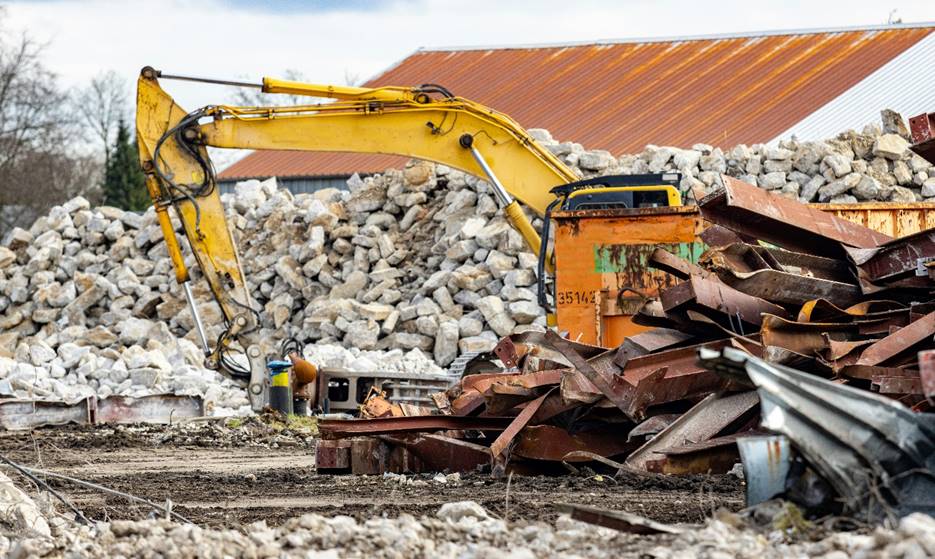
Not every component of the remodel requires a DIY project to go on living. Many community groups and nonprofit organizations will accept usable fixtures, cabinets, sinks, and light shopping carts of trim. Donating to local charities supports local jobs, programs to build housing, and reduces the amount that ends up in our landfills—this is a win for both you and the planet. As you are sorting, consider building a timeline that allows a quick cleanup at the job site so your usable stuff doesn’t get ruined under foot.
If you are in North Idaho with more re-usable items than your car can take, check with a debris removal service Post Falls if you want to move the load without mixing it into an already full dumpster of trash and hazardous material.
Here is an option to check out, while you’re planning your drop-off, that is close:
- Habitat-style home improvement reuse stores. Many accept usable doors, windows, and cabinets, fixtures and lighting, in safe working condition.
- Makerspaces and local shop programs love bundles of straight lumber, boxes of hardware from their woodshop, or a few bags of unused sheet metal cut-offs for their classrooms.
- Theater groups and community art centers can repurpose some of the trim, railings, and odd shapes for their sets.
- Neighborhood buy-nothing groups or swap groups will do a great job moving material quickly while keeping value in your community.
Final Thoughts
Reusing demolition materials is part creativity and part having good systems for handling the material. A few piles are great. Label the piles, get the tools close by for quick easy cleanup and nail removal, and plan with local recycled projects before you cut. With a little organization, some smart decisions, and finding the right partners for hauling and disposal, you’ll avoid incurring additional costs, divert tons of waste from the landfill, and create custom character that is influenced by the work of eco-friendly demolition.