Tilt-up construction combined with a precast concrete construction is widely recognized materials for construction due to versatility, affordable price tag and speed of construction. Although we can differentiate numerous similarities between precast concrete and tilt-up construction, these are two various approaches.
Tilt-up is cheap, fast and durable, but installation requires specialized contractors to handle the process. By clicking here, you can learn more about safety protocols regarding tilt-up construction.
Although labor shortages and material problems can cause severe delays regarding development timelines, you should know that numerous industrial and commercial facilities are adopting tilt-up options, especially warehouses and logistics.
The crucial factor is the material used in the significant distribution centers on the market, which is tilt-up concrete. These panels essentially use precast concrete slabs that you can tilt-up with a crane to create walls in short period.
These significant concrete panels are cast and poured directly on-site, which makes it appealing and effective. At the same time, you can implement insulating materials apart from concrete, but you will get the entire perspective.
A Brief Guide to Concrete Panels
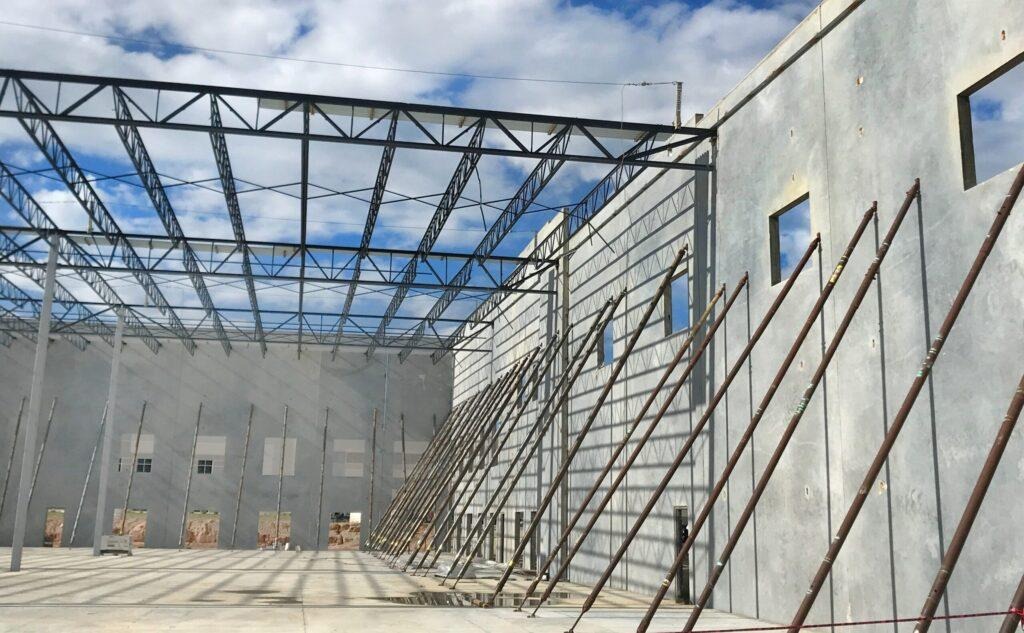
The panels are generally tall, especially since most distribution centers require walls that are up to fifty feet, because the demand for significant height is reaching the desired percentage. At the same time, they can be more than thirty-feet wide, though since you can pour them on-site, you can adapt them based on building’s needs and requirements.
When it comes to thickness of slabs, they depend on numerous factors including structure heights, insulation and other materials used, while most of them range between five and seven inches.
You should remember that the use of tilt-up panel’s dates back for centuries, however, the material gained prominence in the commercial and industrial sector in the mid-eighties after the American Concrete Institute created a committee that excelled the practice. Since then, more than ten thousand buildings are created annually with these slabs.
The main problem lies in idea that you cannot change the design once you cast the entire thing. At the same time, the construction site must be large enough for the process to take place. Of course, you should find specialized contractors that can operate with such efficiency and experience.
On the other hand, they are customizable to any size and shape, strong, fast and cheap, while on-site casting will reduce transportation logistics. As soon as you get tilt up construction, your building will be insulated against fire, heat and sound, which is vital to remember.
Generally, tilt-up concrete can be used for large buildings with straightforward floor plans including big-box retail properties and warehouses.
However, the latest advancements allow us to make more customizable and smaller designs, meaning developers are taking advantage of tilt-up concrete panels for construction of office buildings, smaller retail development and multifamily projects.
Benefits of Tilt-Up Concrete
Tilt-up concrete is affordable and efficient construction method for industrial development, which is vital to remember. The best thing about it is the chance to make it on-site, meaning it will be formed and cured on the ground then lifted into place where you need it. We can differentiate a few benefits you should remember.
Generally, tilt-up concrete comes with faster construction time than other options you can find on the market. Therefore, you will get a structure based on your preferences and needs. Since it requires less labor, you will reduce the expenses altogether compared with traditional concrete construction.
Reduced material costs means that tilt-up concrete comes with less material than regular option meaning you can increase overall durability and ensure the building will stand the test of time. Finally, when you get a tilt-up concrete, you can reduce the environmental impact compared with traditional construction methods.
Cost Considerations
As mentioned above, tilt-up concrete is more affordable option for commercial and industrial development, especially regarding other materials and methods. According to experts, tilt-up concrete construction can help you save up to ten percent, which may allow you to use it for other reasons.
At the same time, tilt-up concrete construction can reduce labor expenses, meaning it will require fewer workers and less time to complete it. Enter this site: https://www.dailymotion.com/video/x9looyy you can learn more about construction.
Another important consideration is that you can avoid paying for materials such as steel and other things you do not need. By reducing energy costs, you will get more efficient result, which is vital to remember.
Safety Considerations
When it comes to safety considerations, you should know that lousy installation could lead to structural failure, which may lead to severe injury or even fatality in worst-case scenario. Therefore, you should find ways to ensure that panels are properly secured and braced to the foundation, while you should connect each one to another.
At the same time, panels should be inspected regularly for wear and tear signs, and conduct relevant repairs if something happens throughout the process.