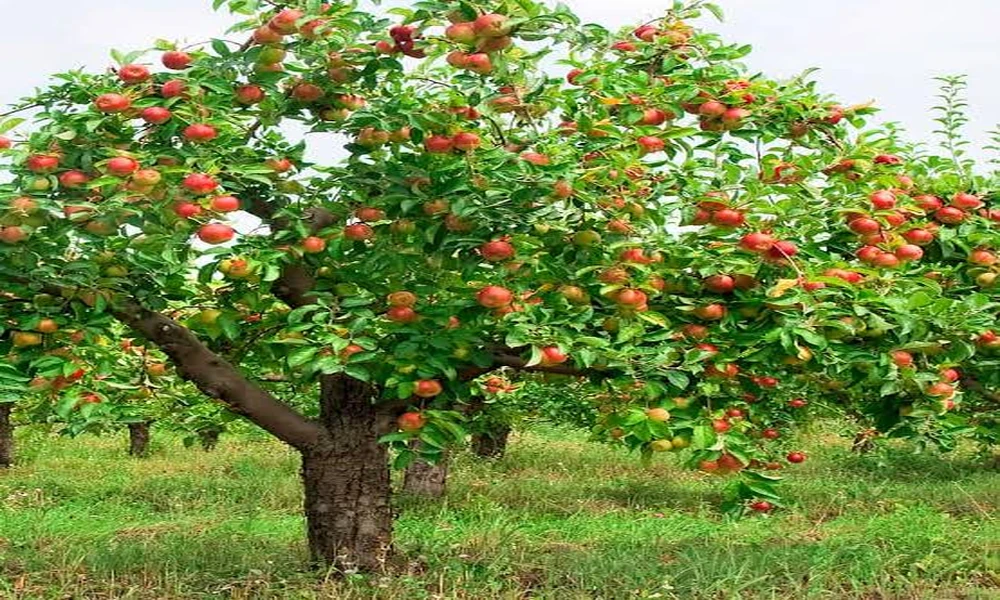

Space and taste usually lead fruit-tree planning. Time is asked about later, often after the first dry spring, the first run of soft ties, or the first week when ripe fruit arrives faster than it is used. Yet a productive tree is also a pattern of work distributed unevenly through the year.
A realistic calendar test does not seek a fruit tree with no care. It identifies when attention is essential, which jobs are concentrated, and whether the form, crop, and protection system fit the people who will actually manage them.
The choice is easier when gardeners compare rhythms of care instead of treating every young tree as the same commitment. The range represented by https://www.chrisbowers.co.uk/ includes forms and crops with very different demands for watering, tying, pruning, pollination planning, protection, picking, and storage. A nursery specialist explains that the decisive question is not whether a household enjoys gardening, but whether essential jobs fall in weeks when attention is genuinely available. The specialist notes that a trained tree beside a path offers convenient inspection but needs regular tying and selective pruning, while a free-standing tree trades some close training for a larger picking and canopy task. They advise marking the non-negotiable establishment checks first, followed by seasonal bursts such as blossom protection, thinning, netting, or processing. Their test leaves a margin for holidays and poor weather. A design that remains workable after a missed weekend is more dependable than one whose success relies on perfect attendance throughout spring and harvest.
Time should therefore be measured in both frequency and concentration. Ten quiet minutes on a regular route is different from a full day at an awkward moment, even when the annual totals look similar.
Separate Routine Checks From Seasonal Bursts
Fruit-tree care combines brief recurring observations with concentrated jobs, and the second category often determines whether a plan fits household life; the visible detail is therefore linked to the process behind it before tools or materials enter the discussion.
Problems become harder to interpret after adding annual hours together while ignoring that several critical tasks compete for the same spring or late-summer weekends; the apparent solution therefore creates a second problem beside the one it was meant to address.
British weather shifts work into short dry windows, so a nominally flexible task sometimes becomes urgent after wind, frost, or prolonged rain; short weather windows reward preparation, but they do not justify work when the tree or ground is unsuitable.
A proportionate response is to list watering checks, tie inspection, pruning, thinning, protection, harvest, storage, and processing under the months when they actually occur; the action has a defined purpose, a visible review point, and a sensible reason to stop.
Across a complete season, calendar-led tree choice moves from preparation to observation and then to review; in calendar-led tree choice, keeping those stages distinct prevents every new symptom from reopening the entire decision and helps each action answer a question established beforehand.
Mark which jobs another household member can share and which require knowledge, strength, equipment, or access held by one person; attaching the check to a familiar route makes subtle change more likely to be noticed during a busy week.
The calendar exposes pressure points early enough for the tree form, crop choice, and garden layout to be adjusted; future work begins from a sounder structure, clearer evidence, and fewer inherited maintenance problems.
Protect the First Two Establishment Seasons
Young trees need reliable moisture checks, stable staking, clear root zones, and observation before their roots explore a larger volume of soil; this gives the later decision a clear baseline instead of relying on one attractive or alarming moment.
The most misleading response is choosing several new trees at once without multiplying the watering, tie, and mulch checks required during the same establishment window; the tree loses useful options while the gardener gains little dependable information in return.
Check below mulch, inspect the root plate after wind, and set a specific review date for each stake, tie, and guard; keeping the inspection reachable ensures that good intentions survive wet days, holidays, and competing tasks.
Early care remains consistent enough for the later, lower-intensity routine to rest on a sound root system and undamaged framework; the result is understandable to another gardener and does not depend on unusually favourable conditions.
Dry springs and easterly winds remove moisture quickly, while intense summer rain often wets the surface without recharging deeper root zones; the same nominal month can describe very different plant conditions between a sheltered town garden and an exposed plot.
The next deliberate move is to attach inspection to an existing route and arrange holiday cover for dry periods rather than relying on rain or last-minute rescue; the sequence makes follow-up straightforward and leaves the cause of any improvement easier to identify.
The long view of calendar-led tree choice separates permanent choices from seasonal responses; within calendar-led tree choice, position and structure deserve caution, while small adjustments remain available as growth, crop weight, and ordinary weather test the original plan.
Price the Time Cost of Trained Forms
Cordons, espaliers, fans, and wall-trained trees use space efficiently because regular guidance replaces some of the freedom of an open crown; the first conclusion remains deliberately modest, leaving enough evidence for a proportionate response.
Progress depends on choosing to include tying, support inspection, selective summer pruning, spur management, and access to both sides where the system requires it; the action has a defined purpose, a visible review point, and a sensible reason to stop.
The shortcut to avoid is counting only the small footprint while treating wires, extensions, and repeated shaping as work completed once at planting; resisting the assumption keeps observation, intervention, and outcome connected in the right order.
Fast growth against a warm British wall compresses tying and pruning decisions, particularly during weeks when holidays are common; aspect, shelter, soil, and recent rainfall need to be read together before the timing is judged.
Place trained trees on a route that encourages inspection and store suitable ties and tools close enough for short timely sessions; attaching the check to a familiar route makes subtle change more likely to be noticed during a busy week.
Good judgement in calendar-led tree choice comes from several modest signals rather than one dramatic clue; for calendar-led tree choice, soil, access, growth, weather, and timing should support the same explanation before an intervention becomes larger or difficult to reverse.
The formal outline stays productive and safe without turning every missed visit into a larger corrective job; this protects the original purpose of the planting while leaving room for small later adjustments.
Add Pollination and Protection to the Diary
Blossom overlap, frost risk, bird pressure, and wasp damage introduce care that depends on timing and cannot always be postponed until a free weekend; this turns a broad instruction into a condition that can be checked again after growth or weather changes.
A useful margin is part of calendar-led tree choice, not wasted effort; in calendar-led tree choice, it allows for a heavier crop, a drier month, or a missed inspection and keeps correction possible without dismantling work that is already performing well.
A shortlist of fruit trees for sale becomes more useful when each option is paired with its establishment, pruning, protection, picking, and processing calendar rather than its mature size alone.
Late frost, nesting birds, and local wildlife patterns vary widely across Britain, so previous garden experience belongs in the workload estimate; a review after the next meaningful spell of weather is more useful than treating the whole season as uniform.
The assumption that deserves resistance is designing elaborate protection that is slow to deploy, difficult to remove, or unsafe to inspect during wind and wet weather; the apparent solution therefore creates a second problem beside the one it was meant to address.
The sound intervention is to identify which crops need a partner, temporary cover, netting, deterrence, or close harvest monitoring before finalising the planting list; the sequence makes follow-up straightforward and leaves the cause of any improvement easier to identify.
Choose systems with clear fixing points, safe access, and a planned removal date, then record what pressure actually occurs; keeping the inspection reachable ensures that good intentions survive wet days, holidays, and competing tasks.
Protection remains targeted and repeatable rather than becoming permanent garden clutter or an emergency response each season; the benefit remains visible after the immediate concern has passed and routine care resumes.
Count Picking, Sorting, and Kitchen Capacity
A productive crop creates work after it leaves the branch, including repeated picking, sorting, cooling, cooking, preserving, sharing, and cleaning storage space; read in sequence, the observation keeps cause and symptom from being folded into the same assumption.
Harvest becomes a valued part of the calendar and the garden produces a quantity the household is equipped to enjoy; the outcome supports the current season without borrowing strength, access, or flexibility from the next one.
British school holidays and late-summer travel often overlap with ripening, while wet weather can compress picking into fewer opportunities; local observation should therefore carry more weight than a date copied unchanged from a national calendar.
Taken together, this part of calendar-led tree choice links timing with plant response and access; within calendar-led tree choice, the aim is not a flawless appearance, but a result stable enough to observe and modest enough to correct if later evidence changes the judgement.
Later correction is often created by selecting several trees for peak abundance without a plan for windfalls, damaged fruit, storage containers, or time in the kitchen; the tree loses useful options while the gardener gains little dependable information in return.
Arrange shallow containers, label storage batches, and decide in advance which fruit is eaten fresh, cooked, stored, or shared; attaching the check to a familiar route makes subtle change more likely to be noticed during a busy week.
A useful course of action is to estimate useful household quantities and spread harvest through cultivar choice instead of concentrating every fruit into the same fortnight; the action has a defined purpose, a visible review point, and a sensible reason to stop.
Design a Margin for Missed Weekends
A resilient fruit-tree plan expects illness, travel, poor weather, and competing work instead of treating uninterrupted attention as the normal year; its value lies in separating what the gardener sees now from what still needs to be confirmed.
The decision becomes workable when gardeners reduce complexity at the busiest points, maintain safe access, and choose forms or crop numbers that tolerate brief delays without damage; the sequence makes follow-up straightforward and leaves the cause of any improvement easier to identify.
There is also a household test for calendar-led tree choice: the arrangement has to work on wet days, during harvest pressure, and when a routine check is delayed; a calendar-led tree choice plan that survives only an ideal weekend is not yet a practical one.
Weather disruptions are ordinary in Britain, and the most demanding task often moves into the same narrow window as another delayed job; the decision belongs to the actual site, where ordinary variation is part of the evidence rather than an inconvenience.
Identify the first task to simplify, delegate, automate responsibly, or abandon when the calendar becomes crowded; keeping the inspection reachable ensures that good intentions survive wet days, holidays, and competing tasks.
The avoidable weakness in the plan is building a tightly timed system whose watering, ties, netting, and picking all fail when one knowledgeable person is unavailable; resisting the assumption keeps observation, intervention, and outcome connected in the right order.
The garden keeps its productive purpose through imperfect weeks and care remains satisfying rather than a repeated source of urgency; the tree, site, and household routine finish in better agreement than a short-term cosmetic answer provides.
The final calendar should contain empty space as deliberately as it contains jobs. That margin absorbs a delayed pruning day, a dry week, a holiday, or fruit that ripens faster than expected. If essential checks remain reachable, harvest volume fits the kitchen, and protection does not require a crisis response, the design has passed a practical test. The tree then belongs to the household’s real year, where care is consistent enough to be effective without needing every weekend to unfold exactly as planned.