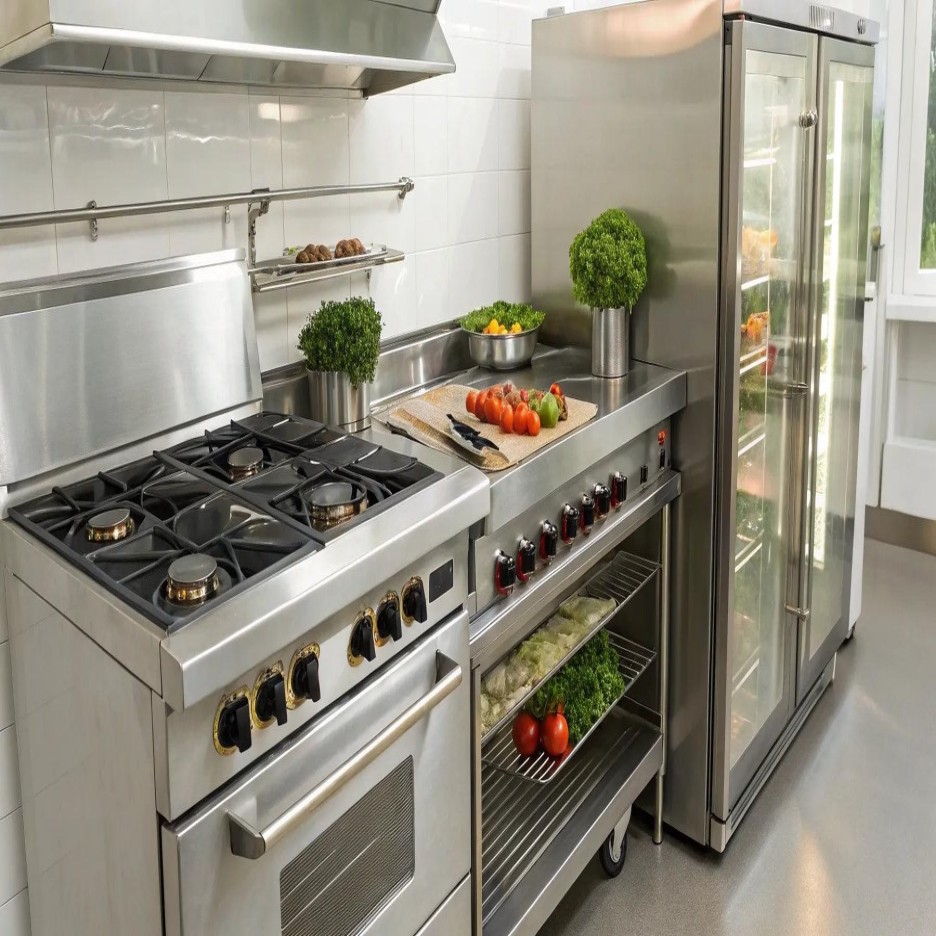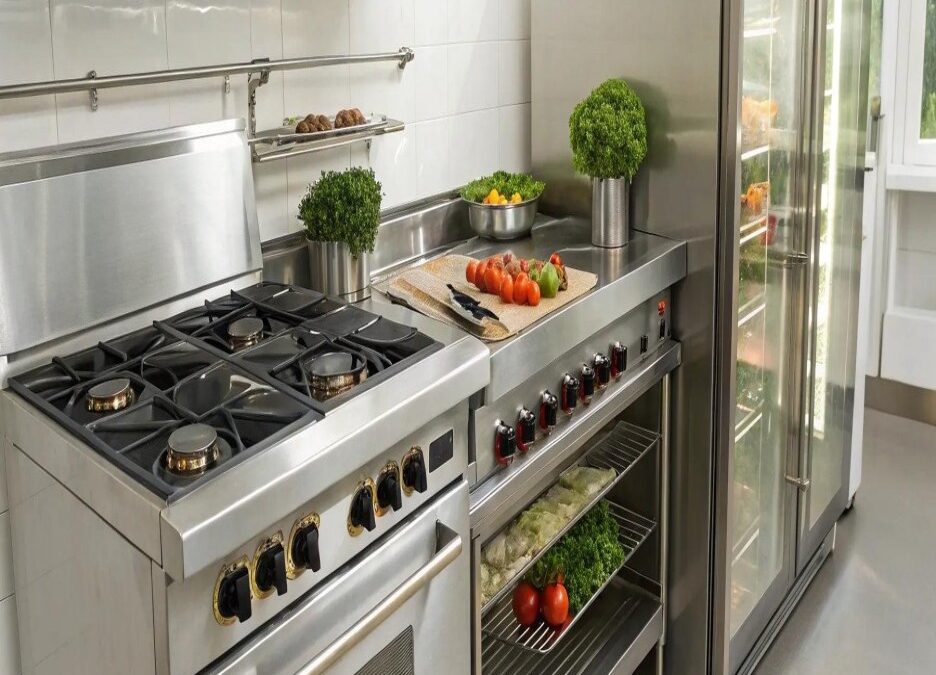

Meal prep in a commercial kitchen is a sequencing problem disguised as a storage problem. Most guides focus on labels and containers, but the real bottleneck is travel distance. Every time a cook has to walk to the walk-in to grab a mise en place item, the line slows down. Every time a pan is buried behind something else, the service window gets tighter. Learning how to organize a fridge for meal prep starts with one rule: the items used most often should require the fewest steps and the least reaching.

The reach-in refrigerator is the workhorse of this workflow, but only if it is organized by frequency rather than by category. Most kitchens group by food type—all dairy together, all proteins together—which makes inventory easy but prep slow. A prep-focused layout groups by station: the items for the grill station on one shelf, the items for the cold line on another, and backup stock on the bottom. That way a cook opens one door, grabs what the station needs, and closes it. The goal is to minimize door-open time, because every second the door is open is a second the compressor is working against the room.
Vertical organization matters as much as horizontal. Heavy items belong low, both for safety and for compressor airflow. Ready-to-eat items belong above raw proteins, always. But within those rules, the middle shelves—the ones at eye level and hand level—should hold the highest-frequency items. If your cooks are bending down for portioned sauces every ten minutes, the layout is wrong, not the staff. A reach-in with adjustable shelves makes this easier because the shelf height can be changed as the menu changes, rather than forcing the menu to fit a fixed shelf pattern.
This is where the undercounter fridge for commercial kitchen changes the math. An undercounter unit puts cold storage directly beneath the prep surface, which eliminates the walk entirely. For a sandwich station, a salad station, or a plating station, the difference between a reach-in three steps away and an undercounter unit at knee level is the difference between a smooth service and a constant back-and-forth. The trade-off is capacity: undercounter units hold less, so they work best as a complement to a reach-in, not a replacement. Use the undercounter for the items that are touched every few minutes, and the reach-in for backup and batch storage.

The final piece is visibility. Meal prep depends on seeing what is available, not just storing it. Clear containers, date labels facing out, and a consistent front-to-back rotation rule do more for speed than any piece of equipment. Some kitchens also use display refrigerators for front-of-house prep items or grab-and-go components, which keeps the back-of-house fridge from becoming a shared closet. The principle is the same everywhere: storage should shorten the distance between the cook and the ingredient, not add to it. Organize by station, keep high-frequency items at hand level, and let the undercounter unit absorb the traffic that would otherwise slow the line.
How to Organize a Commercial Fridge for Meal Prep (and Why Undercounter Units Change the Workflow)