
The Emergency That Keeps Getting Worse While You Wait
Water damage is distinctive among household emergencies in that it actively worsens during any delay in response. A burst pipe that floods a kitchen at 11pm on a Thursday, responded to professionally by 1am, is a meaningfully different scope of damage than the same event responded to at 9am the following morning. Ten hours of water migration into wall cavities, beneath cabinets, across subfloor, and into adjacent rooms adds materially to the affected area, the drying time, and the replacement scope.
The psychological tendency to wait – to assess in the morning, to call the insurance company first, to see if things dry out on their own – is the decision that converts a contained water event into a multi-room remediation project with mold concerns. Water does not wait for convenient business hours, and professional response to water damage is most effective when it begins while the damage is still contained.
Columbia has professional water damage restoration services available for emergency response outside standard business hours. The cost premium for emergency response is real but consistently smaller than the cost difference between a two-hour and a twelve-hour delay in response for any significant water event.
What an Emergency Response Covers
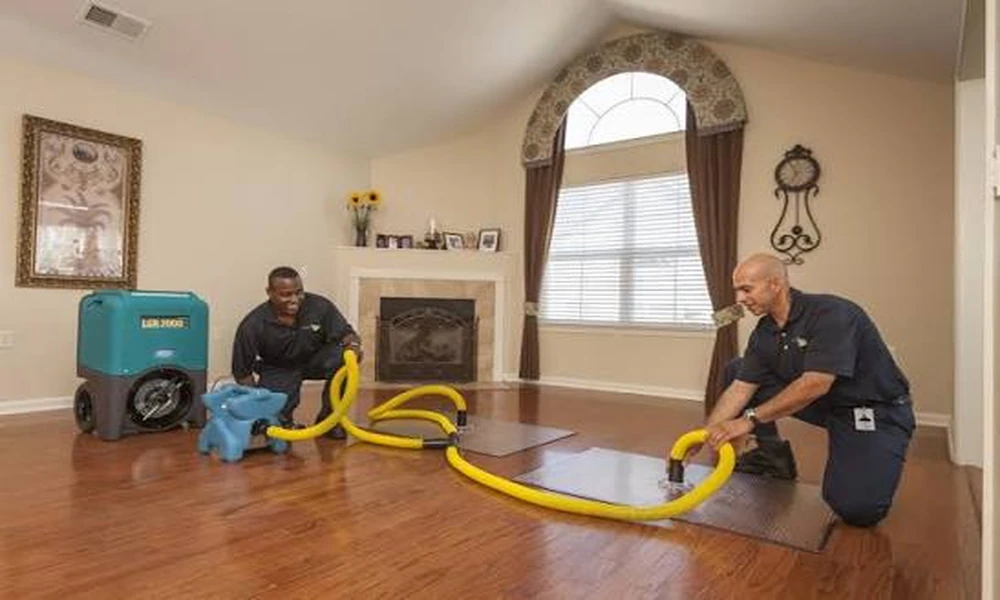
Emergency water damage repair in Columbia encompasses the same scope as standard mitigation – extraction, drying equipment setup, moisture mapping, and documentation – but begins immediately rather than waiting for a scheduled appointment. The value of emergency response is not in different techniques but in different timing.
Contents protection is part of emergency response that property owners often address too late. Moving furniture, electronics, documents, and personal property away from wet areas before water migrates beneath them – or elevating items that cannot be moved – preserves contents that would otherwise require replacement. Documentation of damaged contents before any disposal creates the inventory the insurance claim requires.
IICRC standards distinguish between the mitigation phase and the restoration phase in terms of both scope and billing, which matters for insurance claims. Understanding which phase is being billed for – and confirming that the work performed matches the phase described – helps property owners navigate the claims process accurately.
Working Through Insurance While Managing the Emergency
Most homeowner policies cover water damage from sudden and accidental events – burst pipes, appliance failures, storm-driven intrusion – subject to the deductible and policy limits. Gradual leaks that developed over time are typically excluded, which is an important distinction that determines whether the claim will be covered before investing in remediation.
Calling the insurance company while the emergency response is underway – rather than waiting until the response is complete – starts the claims process at the earliest point and allows the adjuster to document initial conditions before remediation changes the scene. Most adjusters understand that mitigation cannot wait for their visit and expect that emergency response will have begun by the time they arrive.
Keeping all receipts and documentation from the emergency response, including any emergency service fees, is important for the claims process. Emergency response costs that are reasonable and necessary for mitigation are typically covered under the property damage claim rather than requiring separate documentation.