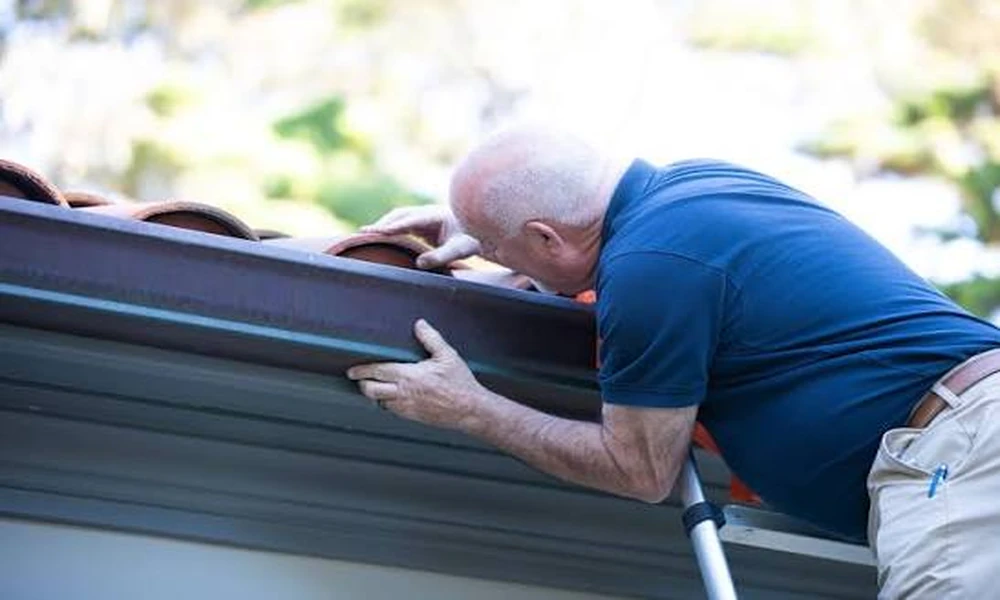

Homes in Fishers, Carmel and Westfield often go under contract within days of listing, and many sellers relax the moment an offer arrives. Then the inspection report lands. More often than not, one of the longest sections in that report covers the roof, and a few vague lines about granule loss or flashing can turn a smooth sale into a week of tense negotiation.
Sellers who want fewer surprises usually bring in a roofing company in Hamilton County before the listing photos are even taken. That way the roof is judged by someone who actually repairs and replaces roofs for a living, rather than first described by a buyer’s inspector working from the eaves with binoculars. Harber Exteriors, the team behind harberexteriors.com, offers free property inspections and repairs on shingle, metal and flat roofs, carries GAF Master Elite credentials and responds quickly when storm damage needs attention. Their crew also works insurance claims with carriers directly, which can matter a great deal if hail damage turns up in the middle of a sale.
Understanding what happens to a roof during a real estate transaction, from the first walkthrough to the closing table, helps sellers and buyers alike make calmer decisions.
The Inspector’s View Is Narrower Than Most People Assume
Many buyers picture the inspector climbing across every slope and lifting shingles. In reality, home inspectors in Indiana are licensed generalists who cover the whole house in a few hours. Under the widely used InterNACHI Standards of Practice, an inspector may examine the roof covering from ground level or the eaves and is not required to predict how long any component will last.
That limitation cuts both ways. A steep two-story roof in a newer Westfield subdivision might get a quick drone pass or a look through a zoom lens, so subtle hail bruising goes unnoticed. On the other hand, an inspector who cannot get close may write a cautious note recommending further evaluation, and that one sentence can make a buyer nervous about a roof that is actually fine.
Attics often reveal more than the roof surface does. Daylight around nail penetrations, dark stains on decking, frost on the underside of the sheathing in January and insulation pushed against the soffit vents all tell a story about ventilation and leaks that shingles alone cannot.
Decoding the Language in the Report
Inspection reports have a vocabulary of their own. Some phrases sound alarming but describe normal aging, while others hint at real trouble. Here is how a few of the most common ones usually read in practice.
- Granule loss observed. Some granules wash into gutters on every asphalt roof, especially in the first year. Heavy loss that exposes black asphalt, or concentrated bare spots, points to age or hail.
- Evidence of prior repair. Patches, mismatched shingles or fresh sealant around a vent are not automatically bad. The question is whether the repair was done properly and whether the cause was fixed.
- Multiple layers suspected. A second layer installed over the first adds weight, traps heat and usually means a full tear off is coming, often at higher cost.
- Approaching end of service life. This is the inspector’s polite way of saying the roof is old. It is an opinion, not a measurement, but lenders and insurers tend to take it seriously.
- Recommend evaluation by a licensed roofer. Sometimes this flags a genuine concern. Often it is simply the inspector staying within the limits of what they can confirm from where they stood.
Reading those lines with that context in mind keeps a single cautious phrase from derailing a deal.
When the Roof Shapes the Loan and the Policy
The roof matters to more people than the buyer. Appraisers working on FHA loans look for a roof that keeps moisture out and has at least a couple of years of remaining life, and VA appraisals apply similar minimum property standards. A roof with visible leaks, missing shingles or soft decking can stall a government-backed loan until repairs are made.
Insurance carriers have also grown more cautious. Many now ask the age of the roof before writing a policy, and some will only cover older roofs at actual cash value instead of full replacement cost. For a buyer moving into central Indiana’s spring hail season, that difference can mean thousands of dollars out of pocket after a single storm. Buyers who skip the question until closing week sometimes discover their preferred carrier will not bind coverage at all.
Indiana’s seller disclosure form asks directly about roof leaks, existing damage and whether more than one roof layer is present. Answering those questions accurately protects the seller, and having documentation ready makes the answers easier to back up.
Choices a Seller Can Make Before Listing
Sellers with older roofs usually face three paths.
The first is to repair what is clearly failing, such as a cracked pipe boot, lifted shingles along a ridge or loose flashing at a chimney, and keep receipts. Small fixes like these remove the easy objections from an inspection report without the cost of a full replacement.
The second is to replace the roof before listing. This makes sense when the roof is near the end of its life anyway, when hail damage might be covered by insurance, or when the neighborhood is full of competing listings with newer roofs. A transferable manufacturer warranty can become a genuine selling point.
The third is to leave the roof alone and price the home accordingly, or offer a credit at closing. Some buyers prefer this, since they get to choose their own materials and color. Credits work best when backed by a written estimate so both sides are negotiating over real numbers instead of guesses.
Where Negotiations Tend to Go Sideways
Roof disputes rarely come from the roof itself. They come from uncertainty. A buyer sees a vague line in a report, imagines the worst and asks for a large credit. The seller, who has never had a leak, feels insulted and refuses. Each side digs in.
A professional roof assessment from either side cuts through that. A written report with photos, an estimated remaining life and a quote for any needed repairs gives both parties the same facts. When hail is involved, an insurance adjuster’s findings may settle the matter outright, though timing a claim in the middle of a sale requires care and clear communication about who will handle the work.
Repairs agreed to in the purchase contract should be completed by a qualified contractor, with invoices and photos passed along to the buyer before closing. Vague promises to fix things after closing rarely end well for anyone.
After the Keys Change Hands
For buyers, the first few months are the ideal time to learn the roof. Walk the property after a heavy rain, peek into the attic on a cold morning and clear gutters before the leaves come down in fall. If the previous owner left warranty paperwork or repair receipts, keep them in one place, since they will matter for future insurance claims and eventually for your own sale.
A roof that comes through a real estate transaction with clear records and honest answers is worth far more than one that simply looks fine from the curb. Buyers sleep better, sellers face fewer last minute demands and everyone walks into closing knowing exactly what sits over their heads.
Will Your Roof Hold Up Under a Buyer’s Inspection?