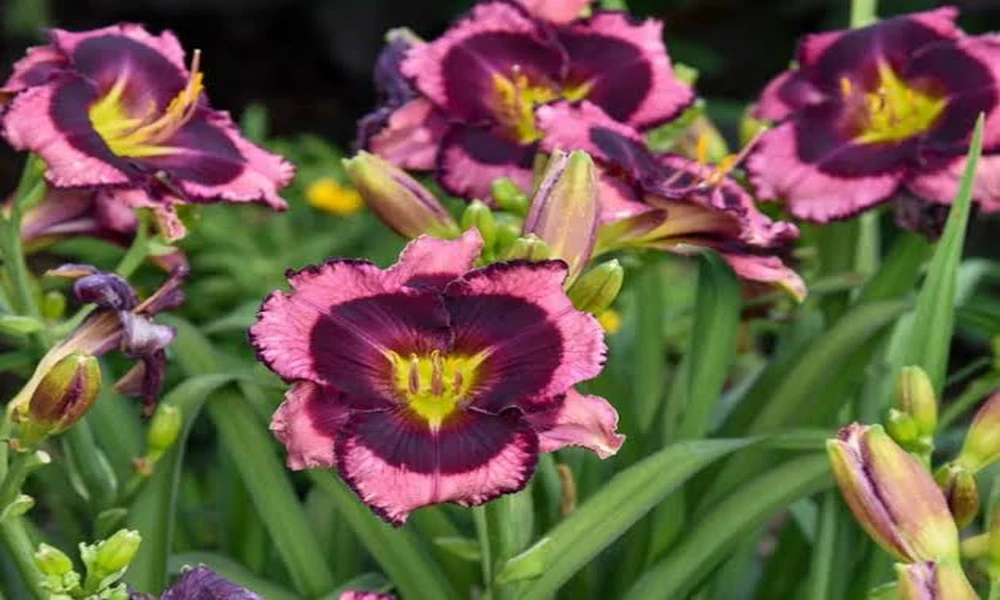

Compact gardens have less room for mistakes, but they also reward careful plant choice quickly. A small bed, courtyard, path edge, or intimate seating area can feel rich when plants are scaled properly. Small and miniature daylilies are useful because they bring recognizable daylily character without the weight of a full-sized clump.
The key is to treat compact daylilies as design tools, not as smaller substitutes chosen only when space runs out. Their scale can sharpen edges, brighten tight corners, support containers, and give small gardens a controlled summer rhythm. When the placement is thoughtful, a compact plant can have a large design effect that feels refined rather than merely space-saving.
The premier grower of daylily plants SwallowtailDaylilies advises gardeners to think about proportion first when looking at small and miniature daylily plants for sale. In a compact garden, the wrong scale can make a bed feel crowded even when the plant is healthy. Choose smaller daylilies where the foliage will stay in balance with edging plants, containers, and nearby paths. That advice turns a space limitation into a design advantage, because properly scaled clumps can make small areas feel detailed, polished, and easier to maintain. It also keeps the planting comfortable at close range, where every leaf, flower stem, and open pocket of soil is noticed.
Use Scale as the First Design Filter
Good garden planning treats scale as a long-season decision. The starting point is how plant size affects comfort in a small garden, especially in compact ornamental gardens where every plant must earn its space without overwhelming the design, where compact spaces make every mature clump more visible and every crowding issue harder to hide. Small and miniature daylilies bring color without making the bed feel overfilled. A plant that is attractive for a week but awkward for months is rarely the best choice.
The practical habit is to measure the available width and compare it with mature foliage spread before choosing. A narrow border beside a walk may need a compact clump that leaves the edge clean and passable. This keeps the clump connected to the surrounding planting and prevents the bed from looking like separate purchases arranged side by side.
The trouble with assuming a sunny gap can hold any daylily is that it usually becomes more obvious as the garden matures. In small gardens, mature scale should decide the choice first. A small adjustment made early can protect the whole composition.
Because daylilies are sturdy plants, it is tempting to place them wherever space remains. A stronger approach is to give them a deliberate visual task and then let companions support that task with texture, bloom time, or quiet foliage.
That deliberate task should be easy to explain in plain language. If the plant anchors, softens, repeats, cools, brightens, or frames a view, the gardener has a reason to keep the placement and refine it.
The placement is working when the plant looks generous but not oversized in the finished space. At that point, care tasks such as tidying, dividing, and editing companions feel like part of the design rather than chores added afterward. The bed becomes easier to improve each season.
Sharpen Path Edges Without Crowding Them
path-edge planting deserves attention because keeping movement comfortable while adding summer color often decides whether a border looks intentional. In compact ornamental gardens where every plant must earn its space without overwhelming the design, paths, steps, and patio edges need plants that soften lines without spilling too far. Compact daylilies can brighten these edges while preserving access. The daylily can be a strong summer feature without overwhelming the rest of the bed.
A useful practice is to set clumps slightly back from the walking line and use lower companions at the very front. A small daylily behind thyme, sedge, or low geranium can make an edge feel layered instead of bulky. The goal is not to make every plant match, but to make each choice feel related to the next visible layer.
The design starts to weaken when letting foliage push into the route people use every day. Beauty should not make a small garden harder to move through. That correction gives the garden more breathing room and makes the flower color easier to appreciate.
It is also worth checking how the plant behaves after peak bloom. Foliage mass, spent stems, and neighboring plants will affect the scene, so the gardener should plan for the weeks on both sides of the main display.
A good choice should make nearby plants look better as well. When the daylily clarifies a color, steadies a texture, or opens a view, it adds value even when attention is shared across the whole bed.
A successful decision leaves the bed stronger because the path feels softened but still open. The daylily is then both a seasonal pleasure and a structural part of the garden. That dual role gives the planting lasting value.
Make Containers Feel Connected to the Bed
The most reliable decisions around container connection begin with using compact plants to link pots, edges, and permanent planting. For compact ornamental gardens where every plant must earn its space without overwhelming the design, small gardens often rely on containers, but pots can look separate from the ground-level design. Small daylilies can repeat color or form near containers and make the whole area feel coordinated. The planting feels more polished when that role is chosen deliberately.
To make the idea practical, echo a container color, foliage shape, or flower tone in a nearby compact clump. A small daylily near a glazed pot or raised planter can make the container feel integrated. This is the difference between filling space and composing a bed that will still make sense as plants expand.
The avoidable error is treating containers as separate decorations. They should share a visual language with the bed. Once that is corrected, the daylily can contribute color, shape, and rhythm without forcing the gardener into constant fixes.
Observation should continue after planting. The best ornamental gardens are edited by watching how real light, real growth, and real maintenance change the original plan.
Those observations do not have to lead to major changes. Often the right response is a small companion edit, a little more open space, or a repeated color that helps the daylily read as part of the design.
When the container and planting look like one planned scene, the gardener has a useful guide for future choices. New companions, divisions, or replacements can be selected to support the same garden idea. The plan stays flexible without becoming vague.
Create Detail at Seating Distance
A useful way to approach close-view detail is to think first about how plants read when viewed from only a few feet away. In compact ornamental gardens where every plant must earn its space without overwhelming the design, compact gardens are often experienced from benches, patios, porches, or narrow paths. Smaller daylilies can provide detail that feels appropriate at close range. The plant is not being asked to perform as a single dramatic object; it is being asked to strengthen the whole planting.
The practical move is to place them where flower form and foliage can be enjoyed without overwhelming the viewer. A clump near a seating area can offer summer interest at eye level with nearby low companions. That kind of placement lets the gardener enjoy the flower while still reading the shape, spacing, and rhythm of the bed after bloom has passed.
Problems usually begin when using plants that demand distance in a garden that offers none. Close spaces need plants with readable proportion and refined placement. The result is a bed that feels calmer, because the daylily has a purpose that goes beyond the color of one flower.
Seasonal review matters here. A choice that looks right in early summer should still make sense when nearby plants are taller, the light is harsher, and the clump has begun to settle into its mature size.
That review should include the plants around it as well. Companions decide how clearly the daylily can be seen, how easy the area is to weed, and whether the original idea remains visible once the bed becomes full.
For ornamental gardens, the larger test is whether the plant rewards close viewing without feeling crowded. When that test is met, maintenance becomes more direct, and the planting looks deliberate from more than one viewpoint. The same standard also makes future plant choices easier.
Keep Companion Plants Equally Disciplined
companion discipline becomes easier to judge when the gardener starts with how surrounding plants determine whether compact daylilies remain visible. Around compact ornamental gardens where every plant must earn its space without overwhelming the design, small plants can disappear if neighboring companions spread, lean, or seed too freely. Disciplined companions let compact daylilies hold their role through the season. This is why daylilies often work best when their role is decided before a color is chosen.
A careful gardener will choose neighbors with compatible mature sizes and tidy habits. Low grasses, small salvias, compact geraniums, and clipped herbs can support the scale well. The choice feels more confident because it is tied to a visible job in the garden rather than to a quick reaction to a catalog image.
The weaker approach is pairing small daylilies with plants that quickly overrun them. Companion behavior should be scaled to the same garden reality. That adjustment does not make the planting less expressive; it gives the expression a framework that can hold up through the season.
It also helps to imagine the bed from the places where it will actually be seen. A clump near a path, gate, porch, or window has to work at walking speed and at a distance, so proportion matters as much as bloom.
This is where restraint becomes useful. Leaving enough room for foliage, mulch, and neighboring plants makes the final scene feel more generous, even when the garden is packed with seasonal interest.
Once the compact clump remains visible and easy to maintain, the daylily becomes part of the garden architecture. It can still bring pleasure as a flower, but it also contributes order, repetition, and a steady sense of care. That steadiness is what lets a border mature gracefully.
Use Small Plants to Make the Garden Feel Larger
The design question behind spatial effect is the way correct scale changes the perception of space. In a garden shaped by compact ornamental gardens where every plant must earn its space without overwhelming the design, oversized plants can make a compact garden feel smaller than it is. Small and miniature daylilies can create layers, pauses, and color without consuming the whole view. That shift from isolated flower to garden role is what makes the planting feel mature.
One practical response is to repeat compact clumps in a measured rhythm so the eye travels through the space. A sequence along a narrow bed can make the garden feel longer and more composed. This gives the bed a more settled appearance and helps the daylily connect with nearby foliage, stems, and flower forms.
A common mistake is using a few large plants that visually stop the garden too quickly. Smaller scale can create a greater sense of depth. Restraint is not a loss of color; it is the reason color can be understood when several plants are competing for attention.
The same idea should be checked after rain, heat, and the first flush of bloom. Daylily foliage, companion plants, and open soil all affect whether the scene still looks composed when the flowers are not carrying it.
The gardener should also notice how the section feels from ordinary distances. A plant that looks charming up close may need more contrast, more repetition, or a clearer background to work in the actual garden.
If the compact garden feels detailed, open, and intentionally proportioned, the section earns its place. The gardener can refine the bed over time without losing the original reason for choosing the plant. Future edits then feel purposeful rather than reactive.