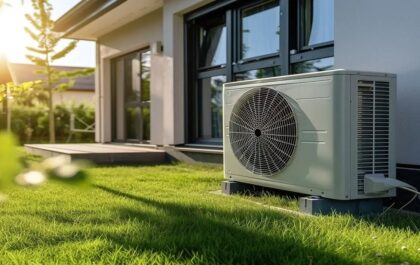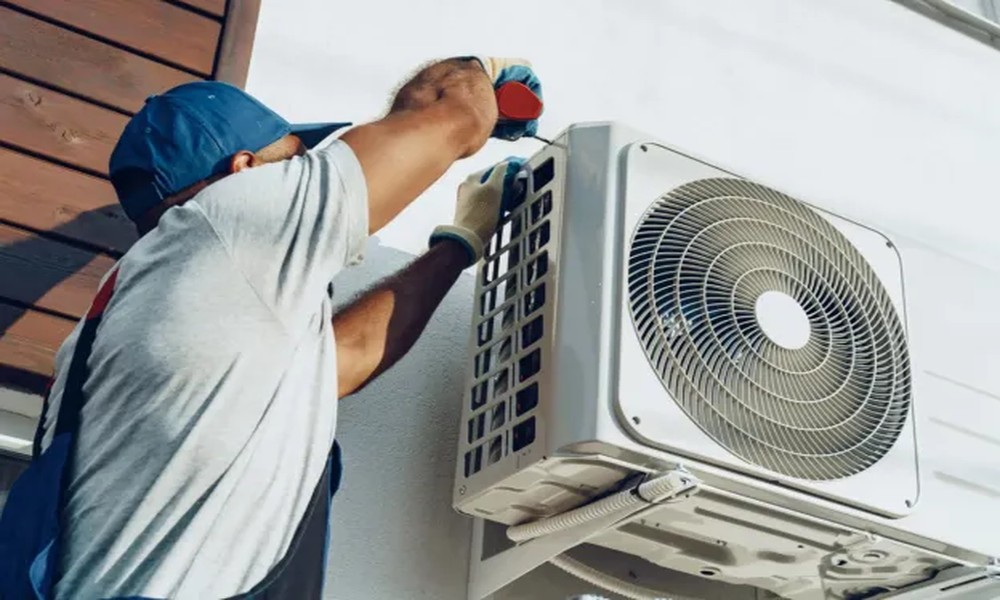

For most homeowners, the heating, ventilation, and air conditioning (HVAC) system is the most expensive and hardworking piece of machinery in the house. It operates quietly in the background, maintaining a delicate balance of temperature and humidity that defines our indoor comfort. However, because it is often tucked away in a utility closet or located on an outdoor concrete pad, it is frequently overlooked until a mechanical failure occurs. The reality of homeownership is that proactive care is significantly more affordable than reactive repairs. Transitioning your home into a new season requires more than just changing your wardrobe; it requires a dedicated spring AC tune-up to ensure that your cooling system is prepared for the upcoming humidity and heat. By addressing minor wear and tear before the mercury rises, you protect your financial investment and your family’s peace of mind.
The logic behind seasonal maintenance is similar to that of a high-performance vehicle. You wouldn’t drive a car for 50,000 miles without an oil change and expect it to remain reliable on a cross-country road trip. Your HVAC system runs for thousands of hours each year, pulling in dust, pet dander, and outdoor debris that can clog internal components. When you skip a professional inspection, you aren’t just risking a breakdown; you are essentially forcing your system to run with a “clogged throat.” A thorough spring AC tune-up clears these obstructions, calibrates the thermostat, and ensures that refrigerant levels are optimal, allowing the unit to breathe easily and operate at its peak design efficiency.
The Financial Impact of High-Efficiency Operation
One of the most immediate benefits of seasonal HVAC care is the reduction in monthly utility bills. When a system is dirty or poorly calibrated, it must run for longer cycles to achieve the temperature set on the thermostat. This increased “run time” translates directly into higher kilowatt-hour consumption. In an unoptimized system, the blower motor might draw significantly more amperage to overcome the resistance of a dirty evaporator coil or a clogged filter. By cleaning these components, a technician reduces the mechanical load, which can lower cooling costs by as much as 15% to 20% during the peak of summer.
Extending the Lifespan of Your Equipment
HVAC systems are designed to last between 15 and 20 years, but this lifespan is contingent upon regular maintenance. Friction is the primary enemy of mechanical longevity. Without proper lubrication of bearings and motors, metal-on-metal contact creates heat and wear that eventually leads to a seized compressor-the most expensive part of the system to replace. Seasonal care ensures that all moving parts are lubricated and that electrical connections are tightened, preventing the “vibration wear” that often leads to frayed wires or short circuits.
Preventing the “Peak Season” Breakdown
There is a reason why HVAC companies are busiest on the first 90-degree day of the year. Systems that have sat dormant or been neglected often fail when they are suddenly pushed to maximum capacity. An emergency repair in the middle of a heatwave is not only stressful but also more expensive due to overtime labor rates and the potential scarcity of parts. Regular seasonal checks allow a technician to identify “weak links,” such as a bulging capacitor or a fraying fan belt, and replace them on a schedule that suits your budget rather than during a crisis.
Improving Indoor Air Quality and Health
Beyond the mechanical benefits, seasonal maintenance plays a vital role in the health of your household. Your HVAC system is the “lungs” of your home, circulating the air you breathe several times every hour. If the internal components are coated in dust or if the condensate drain line is backed up, your system can become a breeding ground for biological growth and allergens. A professional cleaning removes these contaminants, ensuring that the air blowing through your vents is crisp, clean, and free of microscopic irritants that can exacerbate asthma or seasonal allergies.
What a Comprehensive Seasonal Checkup Includes
To truly understand why professional care is superior to a simple DIY filter change, it helps to look at the specific tasks involved in a high-quality maintenance visit. Technicians use specialized tools to measure system performance and safety in ways a homeowner cannot.
- Refrigerant Charge Verification: Ensuring the system has the exact amount of refrigerant; too much or too little can damage the compressor.
- Electrical Connection Tightening: Preventing fire hazards and ensuring that motors receive the correct voltage.
- Condensate Line Flushing: Clearing out algae and debris to prevent water damage to your floors or ceilings.
- Coil Cleaning: Removing the “blanket” of dirt from the outdoor condenser and indoor evaporator coils to allow for heat exchange.
- Thermostat Calibration: Checking that your control system accurately reflects the actual temperature in the room.
- Safety Sensor Testing: Verifying that all “limit switches” and safety cut-offs are functional to prevent system overheating.
Maximizing Home Comfort and Humidity Control
In many parts of the United States, comfort is defined as much by humidity as it is by temperature. A modern AC system is designed to remove moisture from the air as it cools. However, if the system is not cycling correctly-a common result of neglected maintenance-it may fail to dehumidify the air properly, leaving your home feeling “clammy” even if the thermometer says it is cool. Seasonal tuning ensures the system runs long enough to pull moisture out of the air without wasting energy, creating a truly comfortable indoor environment.
Conclusion
Investing in seasonal HVAC care is one of the most effective ways to lower your cost of living while enhancing your home’s comfort. The combination of lower utility bills, avoided emergency repairs, and an extended equipment lifespan provides a return on investment that far outweighs the cost of a biannual service visit. By taking a proactive stance toward your home’s mechanical health, you ensure that your sanctuary remains a place of relaxation rather than a source of unexpected expenses. Don’t wait for the system to fail; schedule your seasonal maintenance today and enjoy the peace of mind that comes with a well-oiled machine.